
The Value of 3D Closet Design Software in Custom Storage
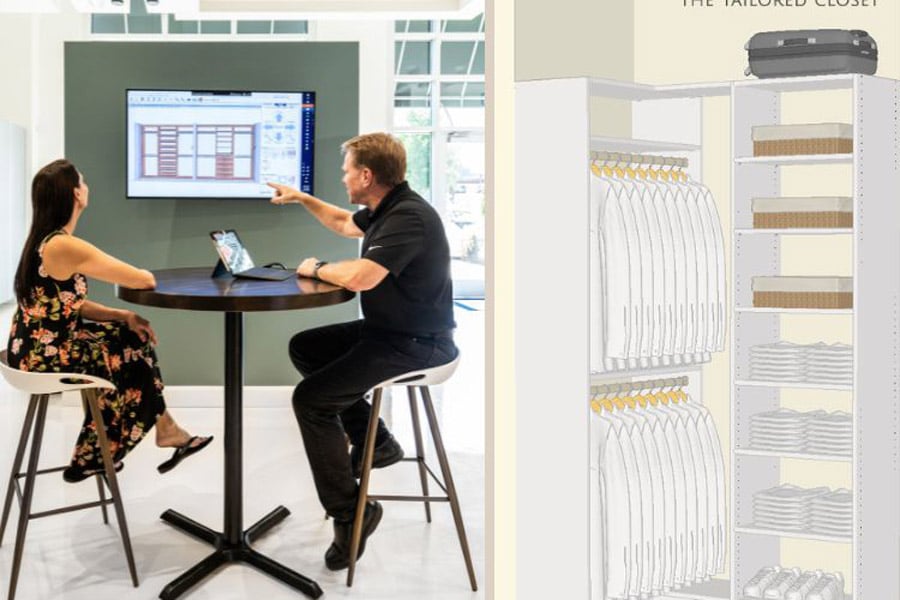
If you're evaluating The Tailored Closet, one detail worth digging into during diligence sits at the intersection of design and technology: the 3D design software the brand builds into its sales process. Few prospective owners think to research the 3D closet design software behind a franchise, but the tools and training you'd inherit shape how the business actually runs day-to-day.
Why Design Precision Matters to an Owner
It's tempting to think of 3D visualization as a sales prop. The more useful way to think about it, from where you'll be sitting as an owner, is as a mechanism for precision.
When a designer builds a space on a screen (e.g., setting dimensions, placing shelving and hanging sections, adjusting finishes in real time with the customer sitting there), the design that comes out on the other end is intended to minimize ambiguity. Measurements are locked in. Material choices are confirmed. The customer has seen and approved the specific configuration before it goes into production, rather than a rough approximation.
That matters directly to your bottom line. In any business where a physical product is custom-built from a design decision made before installation, ambiguity is expensive—it shows up as rework, mismatched materials, or a customer who's disappointed because what got installed doesn't quite match what they pictured. Every one of those outcomes costs an owner time, materials, and goodwill. By creating more specificity during the sales process, the design tool can also help reduce misunderstandings before a project moves into production. It's a good example of why custom closet design software has become an invaluable component of the home organization sales process rather than an optional add-on to it.
Why This Lowers the Barrier to Entry, Not Raises It
Prospective owners often ask whether they need a design background, and the honest answer starts with what they're really worried about: whether they're the right kind of person for this business if they've spent their career in operations, sales, finance, or something else entirely.
is built to carry the design logic, so you and your team don't have to be experts. Onboarding includes structured training on the platform itself, which means your ramp-up time goes toward learning a repeatable process rather than developing a design eye.
What the business actually asks of you is the discipline to run that process well: show up, listen carefully to what a customer is trying to solve, and use the tool to work through options methodically rather than freelancing a layout from memory.
Why Standardization Matters in a Franchise System
A franchise system invests in a shared design platform, rather than leaving each owner to build their own approach, for a reason that matters directly to you as a franchisee: consistency protects the value of the brand you're buying into.
A franchise brand sells a repeatable customer experience across every territory. If design quality and presentation varied by how naturally talented each owner or designer happened to be, the brand's promise to customers would be inconsistent by definition. A shared 3D design workflow is one of the mechanisms that keeps the customer experience recognizably "Tailored Closet" whether the appointment happens in your territory or someone else's, which is the point of standardized closet franchise technology in the first place. Every owner benefits when the brand's reputation holds steady across the system, because that reputation is doing marketing work for you before a customer ever calls.
Questions Worth Asking Before You Sign
If you're in the evaluation stage, ask sharper questions than "how good is the software?" Ask these instead:
- How is the platform taught during onboarding, and how long does it take to feel confident running it?
- What ongoing support exists once you're handling appointments on your own?
- How does the design step connect to production so that what's approved on screen is what shows up at installation, reducing costly rework?
Those questions will tell you whether a tool is genuinely built into the franchise operating system, supporting you from day one, or added afterward. Pressing that distinction is part of doing real diligence on any franchise investment, and it's fair to raise directly with the franchisor.
Want a closer look at how owners and their teams actually get trained on the tools and systems behind the brand? Explore The Tailored Closet training to see how new franchisees are prepared to run the business with confidence from day one.